- Published on
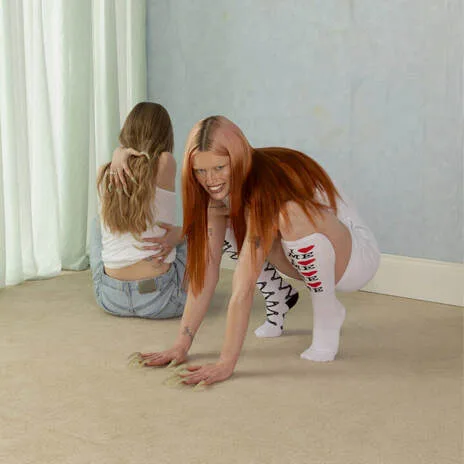
Moisturizer by Wet Leg. Photo via Domino Records
The previous entry of my “Songs that Meet the Moment” series was posted on July 26th. Since then I’ve been struggling to catch another moment and find a song to meet it. How can you soundtrack a roller coaster ride when roller coasters make you motion sick?
A few days before my last entry, Trump banned trans women in college sports (all 10 of them). Remember that? Trans men can still compete, though. I guess if a guy loses to a so-called “biological female” he deserves 5th place.
Since posting “It Will Get Worse” fentanyl has been designated a “weapon of mass destruction,” giving cover to our military’s extrajudicial killings of 117 suspected drug traffickers in international waters. The administration offered no proof of their crimes, though. There were no pictures documenting any seizures, no surreptitiously recorded videos of $50,000 exchanging hands. It’s not even clear that the boats or the cargo they carried were heading to the U.S.
If only we went to such great lengths to tackle the number one killer of American children. I guess it’s worth the “...cost of, unfortunately, some gun deaths every single year so that we can have the Second Amendment to protect our other God given rights.” Rights that we aren’t willing to extend to Caribbean fishermen, like, say, due process. That wouldn’t be prudent.
We raided Venezuela and arrested its corrupt president Nicolás Maduro because he was a drug trafficker (we really hate drugs in America. That’s probably why even the legal ones are so outrageously expensive). But kidnapping Maduro wasn’t about drugs, or democracy, or any other word beginning with “d” – unless there’s some d-fronted synonym for “oil” I’m not aware of. Otherwise Venezuelan opposition leader María Corina Machado would be president right now. Instead the U.S. has left Maduro’s hand-picked successor in charge, and her “colectivos,” the United Socialist Party of Venezuela’s so-called “defenders of the Bolivarian Revolution,” still roam the streets with machine guns stamping out any signs of dissent. This even after Machado gifted Trump the Nobel Peace Prize she won that he so desperately wanted.
Health care costs are ballooning. Despite being more of a band-aid to the hemorrhagic price of living and dying in America, the subsidies provided by The Affordable Care Act were clearly good at making care accessible and affordable to previously uninsured Americans, while allowing providers and insurers to continue to reap record profits. Trump’s first term promise to repeal and replace Obamacare with something better never came to be, and after his party let those subsidies lapse, some people are finding their insurance premiums cost more than their mortgage.
The administration has countered with TrumpRx, a prescription drug website that claims to lower prices by allowing Americans to buy directly from greedy drug companies, and The Great Healthcare Plan. Only TrumpRx excludes less expensive generic drugs from its marketplace, and tells customers who may still be able to afford insurance to “check your co-pay first,” because, “it may be even cheaper.” In other words, TrumpRx does fuck all to lower prescription prices in any meaningful way. Meanwhile Trump’s healthcare plan is so comprehensive it can fit on one page. It includes such groundbreaking reforms like requiring hospitals to “publicly and prominently post their pricing and fees to avoid surprise medical bills.” Who doesn’t like shopping around for the best place to have a heart attack or stroke? “No. Nope. This place is too expensive. Put me back in the ambulance.”

From the official White House X account on Jan. 23. Only there are no penguins in the arctic.
Finally (for now, at least), 15 American cities have been invaded by Federalized National Guard troops or DHS and ICE agents, resulting in at least 36 deaths, including that of Renee Good, who was killed in Minneapolis by a man she was attempting to drive around and who should never have been standing in front of her vehicle in the first place. Her son’s an orphan now. Alex Pretti was literally dragged into a situation by ICE agents as he was documenting events. He was murdered after the handgun he was legally carrying was taken from his person. A helpless helper, murdered before our very eyes, despite our government’s attempts to convince us otherwise. He was an ICU nurse at a VA hospital.
I’m tired of feeling sick; of spinning. So I’m picking a spot on the horizon that I know will straighten the ever-blurring distance between my eyes and brain as I try to ride out these dizzying times, and “u and me at home” by Wet Leg is playing in the background.
You and me at home again, you and me at home
Maybe we could order in, maybe we could grow
“We are currently caught in a cyclone with the answers to ageless questions swirling around us,” I wrote, “waiting to be plucked from the air.” At the time, the science of love and loneliness was rapidly growing, and while I didn’t particularly feel loved just then, I knew it when I saw it. And I could see it everywhere – in the people I worked with at a school for troubled kids, in Annie Dillard’s words, my daughter’s eyes. So I wrote from the seat of my ratty, red Target futon to spite an aching loneliness that quantifying did little to lighten. My words boomeranged back to me and brought someone else along, too. Nineteen years later, I’m writing about love again, only the couch is yellow leather, much more comfortable, and I share it with the woman who clicked my Match profile all those years ago (and a half-blind Cocker Spaniel who takes up way more room than her size suggests is physically possible).
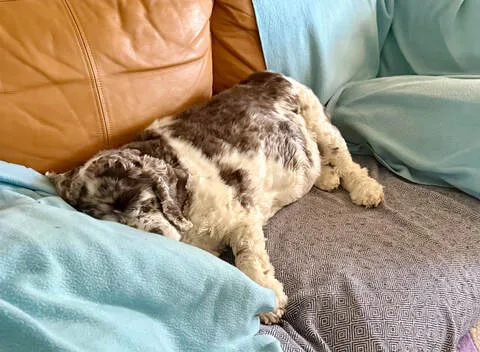
Lexie. At home.
Only, “There is no fear in love.”
Baby, we're just stoned again, funny how that goes
I'm over everybody else, happy comatose
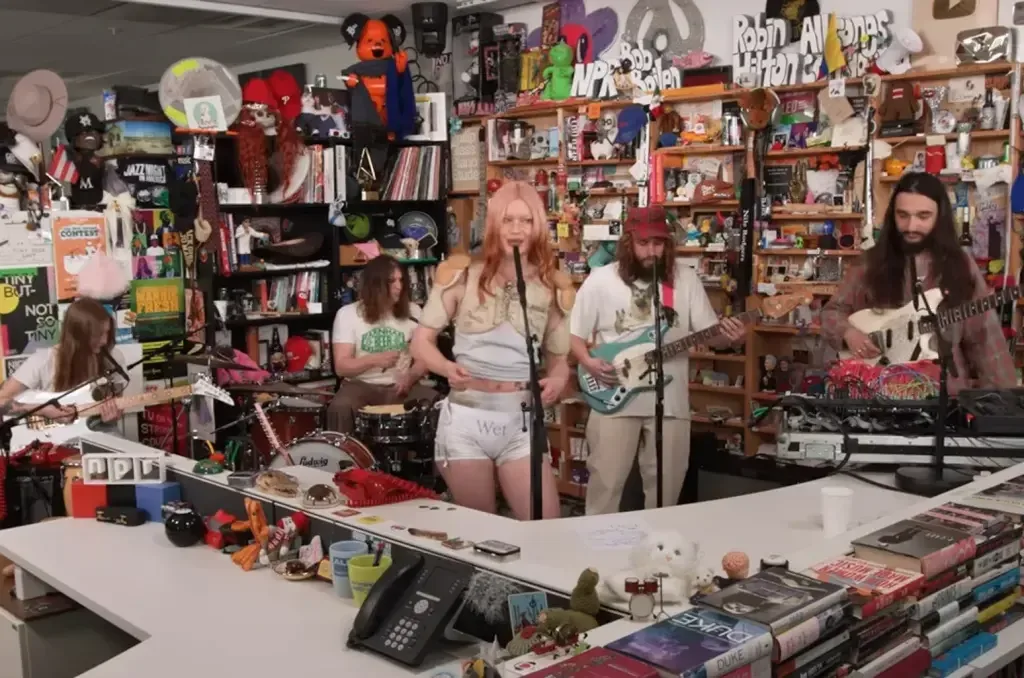
Wet Leg: Tiny Desk Concert. Photo via NPR
Maybe we could start a band as some kinda joke
"Well, that didn't quite go to plan, " I say on the radio
But “Chaise Longue,” a song Teasdale said “was supposed to be just for us” went viral. A few months later Wet Leg were selling out shows and earning praise from critics and fans alike. Dave Grohl told The Independent how the band would take over America, while Rolling Stone labeled them “the buzziest new band.” Harry Styles, who Wet Leg would open for in 2023, covered their song “Wet Dream” for BBC Radio 1’s Live Lounge. In the space of a few years, Wet Leg went from writing songs with an eye towards playing a few shows – maybe even a small festival or two – to winning Grammys and filling stadiums.
“Now, we've been stretched across the world, over land and sea
And there's this big elastic band that pulls you back to me”
If I should get sad along the way
Remind me it's not so bad
When I'm with you, it's all okay
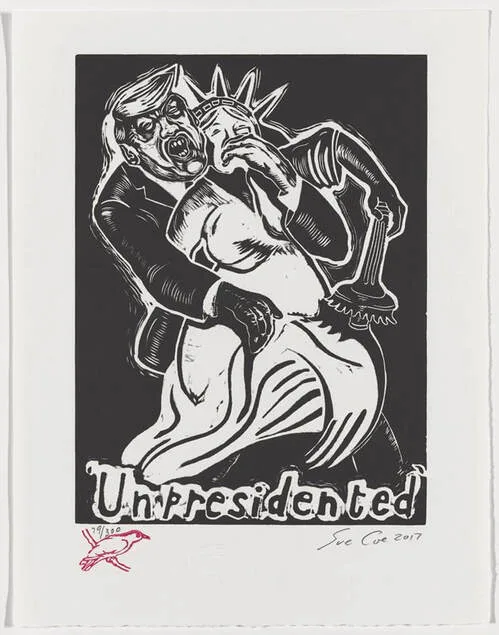
"Unpresidented" by Sue Coe. Linocut in black ink with stamp in red ink. Minneapolis Institute of Art.
Sometimes, I get so sad
And my blue eyes fade to grey
You tell me it's not so bad
You always know just what to say
You and me at home again
You and me at home
You and me at home again
You and me at home
- Published on
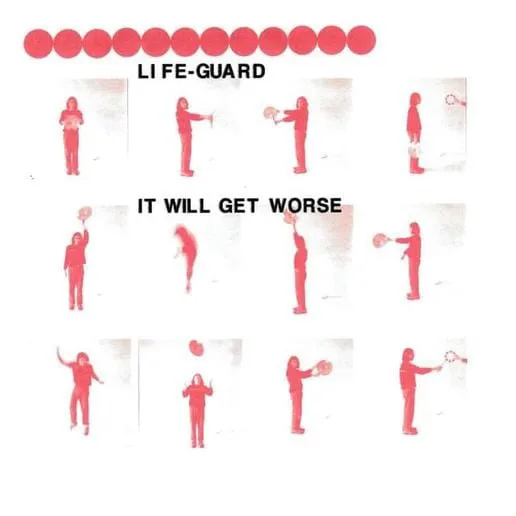
It will get worse till you can't stand it at all
Uh-oh
And you wish that you'd get bit, tend to wait for a fall
Uh-oh
“It Will Get Worse” - Lifeguard
This contemplative posture is consistent with the kid Flint was in advisory: quiet, observant. He’d think before he’d speak. Now, as college graduation waited for him on the other side of summer, I got the sense that he may have been fortune-telling before I interrupted: wondering as he stepped away from UMass and towards his future, what sort of ant he would be, what kind of crumbs he’d be working on. When I asked what he’d been up to he told me how, in between shifts at Whole Foods, he was filling his time with simple pleasures like reading and walks to the beach. Flint found discussing “what’s next” as engaging as one of those scripted advisory questions about his social media use. He was proud to be earning his psychology degree, but was unsure what he would do with it. Grad school is expensive, and “Things are so crazy right now,” he said, “it seems kinda pointless to think too much about the future.” While America sorts itself out, Flint will take some time. Swim in the ocean. Watch the ants.
He wasn’t looking for advice, which was good because I had none. What do you say to a kid trying to live in a moment he is both excited and disillusioned by? I left Flint at the beach gate, and as I turned my music back on, this song from Chicago’s Lifeguard cut through my earbuds:
No one around here
No one around here at all

President Trump points at the sun as he views a solar eclipse without eye protection at the White House. (Andrew Harnik / AP)
Government Accountability:
With Executive Order #14210 Trump established his Department of Government Efficiency to “maximize governmental efficiency and productivity” and then, as promised prior to the election, made mega-donor Elon Musk our Nation’s DOGE-lord. When asked how much DOGE could “rip out of this wasted $6.5 trillion Harris-Biden budget,” Musk said, “Well, I think we can do at least $2 trillion.” To date, DOGE's own estimated savings total sits at $190 billion, but that’s before you include the costs associated with its incompetency. “Putting tens of thousands of federal employees on paid leave, re-hiring mistakenly fired workers and lost productivity” cost taxpayers $135 billion this fiscal year per the Partnership for Public Service. The remaining $65 billion DOGE saved is only 3.25% of Musk’s lofty savings projections.
Meanwhile, our government has gotten less efficient and less productive, especially when it matters. Those deadly Central Texas floods, which claimed 135 lives, made this fact clear. According to the New York Times, crucial positions at the local offices of the National Weather Service, “including a warning coordination meteorologist and science officer… meant to work with local emergency managers to plan for floods, including when and how to warn local residents and help them evacuate” were unfilled as a result of DOGE’s actions. After the floods hit, the Department of Homeland Security’s response was so badly botched that Ken Pagurek, the head of FEMA’s Urban Search and Rescue Branch, resigned in protest. DHS Secretary Kristi Noem’s new policy requiring her to personally sign off on all DHS expenditures exceeding $100,000 kept Pagurek and his crew sitting for 72 wasted hours, waiting for her signature. So much for efficiency and productivity.
Border and Immigration:
Trump has signed 8 Executive Orders dealing with immigration – presumably, as he told congress in a March 4 address, “to take out the criminals, killers, traffickers and child predators…” and “...bring in brilliant, hardworking job-creating people.” But “71.5% (of the people) held in ICE detention have no criminal conviction” according to data dated July 13, 2025. Many of those carrying convictions “have committed only minor offenses, including traffic violations.”
Removing those 71.5% – which undoubtedly includes hardworking contributors to our economy – could potentially have dire economic consequences. Look at the state that has been the focus of Trump’s deportation efforts: California. Detaining and deporting people who, aside from being undocumented, are solid citizens “could impact the state’s GDP by up to $275 billion” according to the Bay Area Council. Bear in mind that, in addition to being a donor state that gives more to the Federal Government than it receives, California is also the 4th largest economy in the world. That economy relies heavily on people who contribute more to the economy than they take out, and yet this administration wants them gone because their presence doesn’t align with some amorphous definition of greatness.
Making America Healthy Again:
With Executive Order 14212, “President Trump has pledged to create the highest quality of life, build the safest and wealthiest and healthiest and most vital communities anywhere in the world.” Programs such as Medicaid already contribute to this admirable goal by providing health coverage to low-income people and families, including children, pregnant women, the elderly, and people with disabilities. 1-in-5 Americans (undocumented immigrants are not eligible) benefit from this vital program.
When rumors of Medicaid cuts began swirling as Congress began crafting Trump’s One Big Beautiful Bill, the president plainly said "we're not cutting Medicaid, we're not cutting Medicare." And yet, Jessica Glenza and George Chidi noted in The Guardian, “When Trump’s sprawling tax-and-spending bill passed..., it heralded more than $1 trillion in federal cuts to Medicaid.” Less than a day after passing in the House, hospitals in rural Nebraska cited the cuts contained in the bill when they announced they were shutting down. Jeremy Nordquist, president of the Nebraska Hospital Association, told Nebraska Public Media, “This package will undermine health care in our state, hurt patients, and drive-up insurance premiums.” After this happens, how will these Nebraskans get to be healthy again?
This disconnect between the way policies were/are portrayed by the campaign/administration and how they’re executed on the ground has consequences that reverberate long after the media has moved on to something else. That’s this administration’s superpower: its ability to fold time and space in a way that makes current events seem fuzzy and distant enough to never dominate the news cycle the way they would if a Democrat was in office. Remember Signalgate? That guy “accidentally” being sent to a notorious El Salvadoran prison even though he was legally here? Antisemitismhas been eradicated, right? Combine the chaos the administration creates with favorable Supreme Court rulings and a weak opposition, and we might as well be ants combing the ground for crumbs of truth or consequences. At least we got music. For now.
It's not enough
To sink your time
Always find you are
Running out of line
Running out of time
Running out of line
How the band go about their business is out of step with the moment in a way that – whether intentional or not – makes them subversive, maybe even more than Kneecap. They design all of the artwork for their records, posters, and merch themselves. It’s an aesthetic rooted in connection, and is the antithesis of shallow, made for Instagram moments like this:
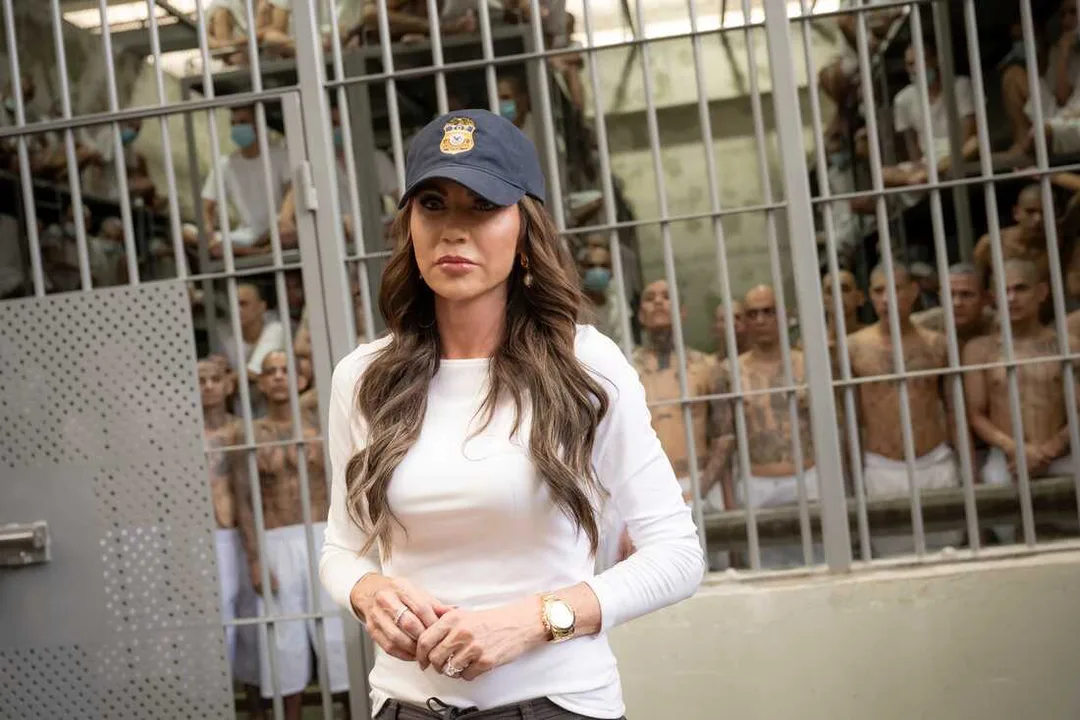
DHS Secretary Kristi Noem and her $60,000 watch receive a tour of the Terrorist Confinement Center in Tecoluca, El Salvador, March 26, 2025. (Tia Dufour / DHS)
I’m indebted to Velasquez, whose piece does an excellent job of capturing why Ripped and Torn and “It Will Get Worse” is a natural next step from “Grace,” the first of my songs that meet the moment: “Many of the tracks on (Ripped and Torn) deal with feeling trapped, emotionally and physically, and touch on the bleakness of isolation,” while “‘It Will Get Worse’ repeats the refrain ‘running out of time’ over clashing guitars with a detached, disaffected tone.” It makes me think of Flint, who may have found his answer – and our way through – in those ants without realizing it. “Every generation needs to do the work to combat what they think is making things worse,” (Lifeguard drummer) Lowenstein says. “I think for us, it's really important to try avoiding all the algorithmic shit and all the distractions.”
Time waits for a turn, waits for a turn, waits for a turn
Uh-oh
And it steps inside only to find accessory
Uh-oh
And yet he goes on, waving shiny new distractions in front of us on a daily basis. As new polling shows that Trump is losing support around immigration, the issue he basically owes both of his terms to, and as he struggles to convince us that he’s not in the Epstein files, he’s doubled down, meddling in the branding strategy of two professional sports teams, and taking down Stephen Colbert before setting his sights on President Obama. So far, none of these distractions has taken Jeffrey Epstein’s name and Trump’s connection to it out of the news cycle. New photos and revelations continue to bubble up, but it’s unclear what impact this will have on a man immune to all kinds of political kryptonite, and if Trump falls, we’ll still have a government that works against our best interests.
No one around here
No one around here
No one around here
No one around here at all
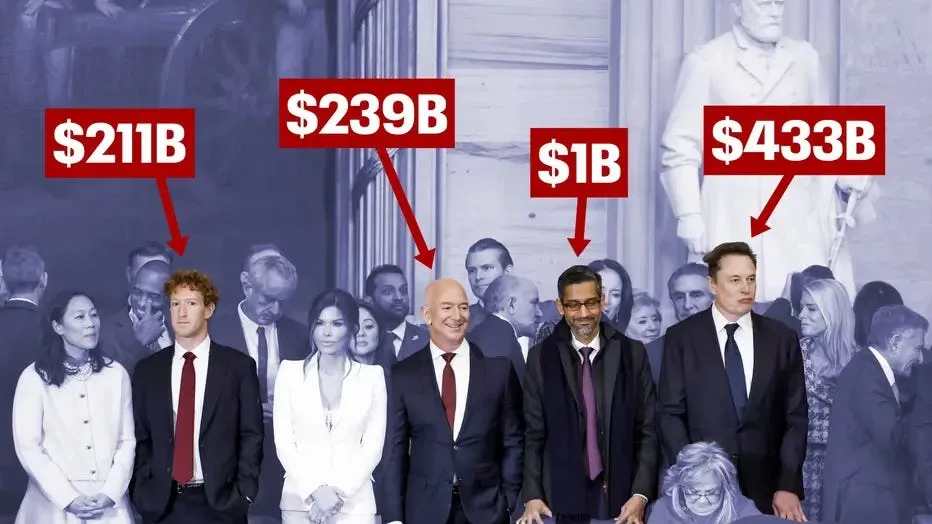
Tech titans, including Mark Zuckerberg, Jeff Bezos, Sundar Pichai, and Elon Musk, attended Donald Trump’s inauguration, representing a combined net worth of nearly $1 trillion (FOX TV Media)
It's not enough
To sink your time
Always find you are
Running out of line
Running out of time
Running out of line

(February 29 / The White House X account)
- Published on
No god, no king
I said love is the thing
No crown, no ring
I said love is the thing
”Grace” - IDLES
Even before Tesla CEO Elon Musk became our DOGE-Lord and took chainsaws across the CPAC stage and to federal agencies, the Cybertruck was gonna be a tough sell in America. Here, consumers prefer trucks that are “Ford Tough,” or at least body on frame. NARTs like the Rivian R1T, my own Honda Ridgeline, and the Cybertruck are suspect because, while they can do a lot of truck stuff and have cup holders big enough to hold a Coors Banquet beer, nobody’s writing country songs about them.
This bizarro administration pardoned the people who smeared human shit on the walls of the U.S. Capitol, then deported someone because she wrote an editorial damning genocide. A man who bragged about grabbing pussies with impunity; who has been found civilly liable for sexual assault, is attacking transgender people under the pretense of protecting women. An administration that thinks diversity initiatives elevate people to unearned positions of power has given cabinet positions to under-qualified sycophants who use nonsecure messaging apps to share sensitive war plans with reporters – then blame the reporters for reporting on it. Meanwhile, Musk and his posse of DOGE-bros have been treating federal agencies like piñatas, hitting out so indiscriminately that they compromised the safety of our nuclear arsenal and have planes falling from the sky, while Trump is fulfilling his promise to lower the price of groceries by using tariffs to raise the price of everything.
MAGA conservatives are buying electric cars, while liberals are being ridiculed for owning them.
When it became clear that Trump would not only reclaim the presidency, but that there would be no checks to balance his hateful agenda – Republicans held the House, took the Senate, and already owned the Supreme Court thanks to Trump 1.0 – I listened to IDLES. A lot. I found my footing in their music, and embraced it as part of the soundtrack of the dystopian film we’re now living in. For example, I know that so many on the right, if they heard the views and beliefs spilling out of my race-traitorous, trans-supporting, NART driving white mouth, would see me as “dirty, rotten, filthy scum.” I was probably listening to “Never Fight a Man with a Perm” when I read Mark Zuckerberg’s comments about businesses needing more masculine energy. “Danny Nedelko” plainly states how I feel about people who are coming to America for a better life: “my blood brother is an immigrant, a beautiful immigrant.” But IDLES is to punk what my Ridgeline is to trucks. They have an aggressive presence and sound, and their live shows come complete with mosh pits, crowd surfing, and frontman Joe Talbot’s spitting and strutting on stage. Yet they describe their music as “hard rock for pussies,” and if you were to only take them at first listen, it’d be easy to confuse the band for something they’re not. In “Clampdown” The Clash told us how “anger can be power,” and IDLES does make angry music. But anger isn’t what centers IDLES. Instead “LOVE IS THE FING!”

IDLES being incongruous on stage. Photo by Brittany Queen via New England Sounds
Give me grace, make me pure
When they're knocking at my door
Make me safe, away from harm
Hold me in my brother's arms
Make me pure
We’re casting yesterday’s environmentalists as today’s Nazis because of the cars they bought back before Elon did his Sieg Heil at the inauguration. We want to force buyers' remorse on Trump voters, too - especially now that they’re learning how, for Trump, there’s no difference between them and the people he made them afraid of. There’s Skylar Holden, the Montana cattle rancher who went viral on TikTok after he described how the administration he voted for abruptly froze key grant funds Holden needed to keep his farm alive. Robert McCabe lost his job with the IRS after he voted for Trump. His position was one of 7,000 DOGE eliminated in February. He’s joined in the deepening pool of regret by recovering self-described “MAGA Junkie” Jennifer Piggott, whose job with the Bureau of Fiscal Service also fell under DOGE’s chainsaw. If the Trump Administration winds up deporting Bradley Bartell’s wife, who is currently in an ICE detention center, back to Peru, Bartell says he’s likely to join her. If he does, he may not be able to vote for Trump again, should the president figure out a way to run in 2028. These people, and others whose similar stories come to light with each move this administration makes against their best interests, are met with the kind of derision and ridicule Desai got when he drove that rented Cybertruck to the D.C. Farmer’s Market.
Give me grace, give me light
Hold me up as I take flight
Make me safe, away from harm
Please caress my swollen heart
Make me pure
I'll be your hands, I'll be your spine
I will hear your burdened cries
I will give myself to you
Given that Trump is pushing policies that will make it difficult to vote our way out of this fucking mess, I can see why someone might take strength from tailgating a Tesla, and telling its driver to “fuck off,” or from shouting “I TOLD YOU SO” in the comments section of a story about disillusioned Venezualan Trump supporters. But at the end of the day, there really is a fine line between “us” and “them” – particularly in the eyes of those in charge of us and them. We’ve seen what fear and panic and pain and anger lead to. I think, like so many people who came before me who were smarter and had to fight harder, I want to see where grace, forgiveness, freudenfreude, and love goes. Because whatever making a difference for Mahmoud Khalil and Rumeysa Ozturk and Abrego Garcia and Marcy Rheintgen looks like, we’re going to need Holden and McCabe and Piggott and Bartell next to us to do it. There’s a very real chance they may not want to be there, but the stakes are too high not to offer them space; the margins are too slim.
No god, no king
I said love is the thing
No crown, no ring
I said love is the thing
- Published on
Only it’s not. It turns out he was confusing “transgender” with “transgenic,” which are two totally different things! The leftwing mediasphere roared at his stupidity only to walk back the laugh-track a few days later when it was confirmed that, while no one was making mice transgender, government money was indeed being used to fund studies investigating the impact a lot of things might have on transgender people. And sometimes even mice were involved (though I don’t believe any of them used bathrooms that did not align with their sex assigned at birth). See! The Telegraph crowed, Trump was right. Only he wasn’t. At least not completely. But CNN was wrong, too. Kinda.
Trying to see the forest through the fake plastic trees in our post-truth world is complicated. We’re surrounded by “zombie facts;” assertions that live on as truth even after their veracity has been debunked. It’s a term coined, as far as I can tell, by Leslie Patton in an article she wrote for Bloomberg News about the impact an oft-quoted study had on the kitchen utensil industry. In late October The Atlantic told its readers to “Throw Out Your Black Plastic Spatula” because such utensils contain dangerously high levels of harmful chemicals. Only they don’t.
The researchers who conducted the study The Atlantic (and many other news organizations) cited made a crucial mathematical error that overstated the levels of these chemicals. Even after this error became public, Patton reported, consumers still turned towards other materials. This obviously hurt the black plastic spatula business, and companies like OXO, one of the largest purveyors of these products. That’s because all that initial reportage continued to proliferate, even as the original study’s revised figures led some to question its conclusions. As recently as February 7th, Wirecutter was encouraging people to find other ways to flip their pancakes.
So how can a consumer keep zombie facts from eating their valuable brain space when it comes to kitchenware, and what does kitchenware have to do with making mice gender dysphoric? Answers: err on the side of caution (there are some really nice silicon utensils out there), and everything.
Sorta.
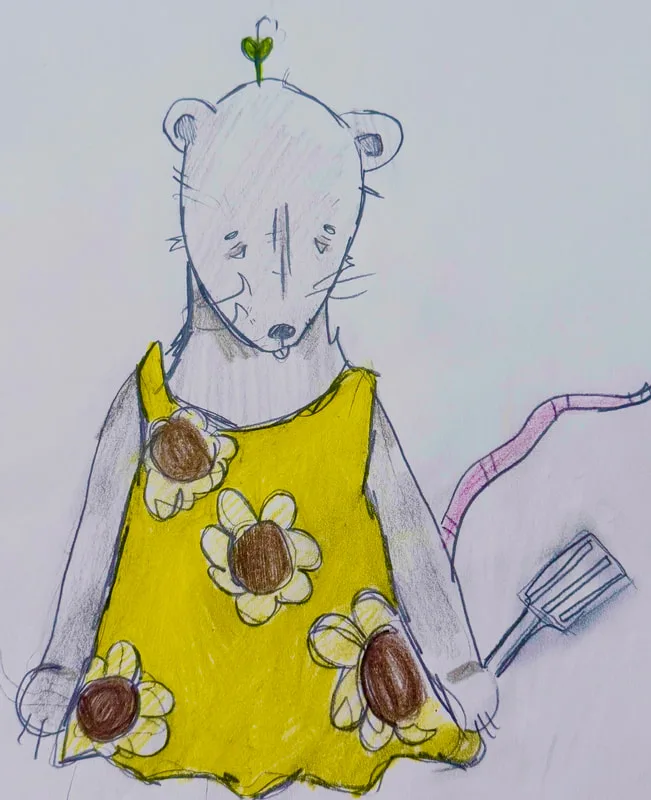
Illustration by Abby V.
It’s not just trans women, either. I mean, what about the poor bro who lost his spot to Iszac Henig, the trans man who beat Lia Thomas, a trans woman at Penn’s last home meet, before Iszac transitioned and began swimming for the Yale men’s team?
Back to the mice — if anything, Trump underestimated the amount of taxpayer dollars being spent on gender affirming care. There have been NIH studies about how stress causes hair loss. The organization has used taxpayer dollars to study menopause. There are active on studies on erectile dysfunction looking for participants. These are bad! Right?
No. They aren’t.
Why would a man who once spent $70,000 on hairstyling in order to appear more virile call out money spent studying gender affirming care? It’s because it was spent on trans people. I doubt Trump thought about trans people at all until he saw how polarizing they could be; how he could manipulate their presence; and, by extension, their wellbeing, to further his own aims.
Just as Hitler managed to rally an unreasonably large portion of the German public against a group of their fellow citizens — a group that, like transgender Americans today — comprised less than one percent of the total population, Trump recognizes the amount of mileage he can get out of demonizing as distraction. Perhaps the most impressive thing he’s done since returning to office is uniting people on both sides of the aisle against Caitlyn Jenner, who is hated by the right for being transgender and loathed by the left for being a Trump supporter.
While some on the left, like potential 2028 presidential candidate Gavin Newsome, are open to exploring the impact the minuscule number of trans athletes may have on the podium prospects of their non-trans competitors (NCAA President Charlie Baker recently testified that only 10 of the 500,000 college athletes are trans), the zombie facts masquerading as truths about trans Americans have two undeniable consequences. They take our eyes off more potentially impactful policies that deal with real threats, like how Trump’s administration stands to weaken gun laws, despite there being far more guns in this country (400-500 million) than trans people (1.6 million). If you truly believe “guns don’t kill people, people kill people” rest assured that not many of those people pulling triggers are trans, regardless of how triggering their presence in the next stall over may be to you. Plus, I’m pretty certain that more high school athletes have had their careers ended by bullets than by volleyballs. Just to be sure, I did try Googling a few variations of “trans people committing crimes” and only got results on how trans people are far more likely to be the victims of violent crime than their cis-gendered peers. That’s the real danger of letting aspersions about transgender mice stand. Cisgender people like me are far more dangerous to trans people than they are to us.
And trans people are us. Trans Americans are Americans, full stop, whose bodies are entitled to the same level of affirmation as Meghan Trainor’s boobs, Kristi Noem’s nose, David Beckham’s hair, Matt Gaetz’s eyebrows, and Donald Trump’s complexion. All of the medical procedures and products these people may or may not have had and used went through numerous tests and trials (some involving mice, and some getting government funding) to determine their safety so that people — no matter their pronoun preference — could see someone in the mirror who more closely aligned with the best version of themselves.
That’s all trans people want.
Now, either because of indifference, cynicism, fear, or outright hatred, that’s becoming more and more difficult. They stand to be even less safe than they already aren’t.
And that’s the truth.
- Published on
I made this declaration, on a dare, to my wife’s mom and stepfather. Our relationship was in its infancy, but I had already met Fran and Paul, and was pretty confident about what I could and could not get away with. Had it been our first meeting, I probably would’ve passed on that dare, but I felt pretty sure my “confession” would get an awkward laugh, or maybe a dismissive look at worst. I got one of each. A confused laugh came from the eternally easy-going Paul, while Fran shot me a playfully dismissive look. After helping Cecily pick her chin up off the table, dinner seamlessly continued.
Seventeen years later, this moment has become part of the iconography of my story with Cecily; evidence of my ability to charm her conservative parents and her no-nonsense mother in particular. I wasn’t coming out that day, or during any other moment I made that statement before or since. I was being cheeky.
I know better than to say that sentence again. Gender dysphoria isn’t something a privileged, cis white male should casually claim if it isn’t true, especially while people are under attack, simply because they want to live and love authentically.
My provocative juxtaposition of those words against my decidedly masculine 6’3” frame has an ennobling, if misguided, origin story. I started using this phrase in my early twenties as an act of rebellion. It was a riskless repudiation of the kind of Christianity I practiced as a teen; the kind that othered gay people straight to hell. Making this claim was also a “fuck you” to my stepfather John, who delighted in trying to quash anything about me that struck him as effeminate. “Someday, Tommy,” he would say if he saw me helping my mother in the kitchen, “you’re gonna make someone a good wife.”
I’ve reached the point in my autobiographical project where John is the focus, and I’m having a difficult time detangling who I am from who he was and how he carried himself. This is because I see shadows of him in me. On the surface and the whole, he and I have always been very different. What we have in common; though, what my first marriage could not survive, is our need for the world to be a certain way, along with an ability to make everyone else miserable when the world invariably fails to comply. I can be thankful that I’m nowhere near as bad as I used to be with this – even as I own just how bad I was – but every so often John pops up and taps me on my shoulder, or whispers in my ear, and I worry about something like money.
Writing about John has me thinking about labels and expectations, and how living happily gets muddied by social constructs we disguise as biological imperatives and/or spiritual truths. I am pretty sure that if John is out there breathing still, he doesn’t understand the assignment. He’s probably in full agreement with J.D. Vance, Harrison Butker, and others who hated Barbie and think the world is going to fall off its axis if we all shit in the same toilets, or if a woman becomes president. I’d guess he’s still miserable, too.

Ultimately, John was the real victim of role confusion. Society told him he needed a family; that he needed to be the head of said family, which meant acting a certain way. He was so woefully ill-equipped for the job, and he knew it. But, like my mother, he tried. He got a pretty wife, a house, a nice car, and a dog. John got those things, but still felt empty. As much as I want to hate him, I have to acknowledge that he kept me fed and clothed for nearly a decade – no easy task given the way I ate as a teenager. Plus, I’m not sure he wanted any of the things he worked so hard to get but treated so poorly.
John didn’t really know what he was doing when he married my mom and took on her kids. I think he felt empty and depressed, so he reached for what society said was supposed to make a man happy and complete. Wanting a family, a nice home, a good job – none of these things are “bad” in and of themselves. Neither is cake decorating, or wearing make-up. It’s when these things become proscribed and gendered that they become troubling, and when people use them to gatekeep – that’s just dangerous. Cooking meals for my wife should not be off-limits to me because I have a penis. Not having children and loving cats does not mean you can’t be relied on to make good decisions for the children in your community.
When John couldn’t beat and berate us into the sort of family that would make him happy, he turned to porn, and then cocaine, and then to other women. If he ever possessed a kernel of self-worth, he either didn’t know it or believe it. Having met his parents, either scenario is plausible – but we all would’ve been so much better off if he hadn’t pinned his happiness on us, and measured us against the arbitrary standards he saw on TV growing up (only his version of “Ward, I’m worried about the Beaver” was “Patty, you have to do something about your kids.”).
John would never claim to be a lesbian trapped in a man’s body. He would be more likely to say something about how he and lesbians can agree on at least one thing. You can probably figure out the punchline. I’ll be writing more about John in the coming weeks because he is me; or, more accurately, I was him, or – something like that. He is the part of my story that comes after “Strays,” and telling that story has helped me unravel and frame a happier, healthier me. No, I am not a man trapped in a lesbian’s body, I’m also not the man John wanted me to be, or tried to be himself. I love to cook, I cry at Jane Austin films, and I listen to Chappell Roan. And, dammit, I am a good wife.
- Published on

Hm.
While I know that my school strives to be a safe place, what happened is a textbook example of how US schools reflect the broader American culture; a culture that has always commodified and capitalized on violence as a spectator sport and a way to solve problems. We do say something when we see something in America, and it’s usually “Fight! Fight! Fight!”
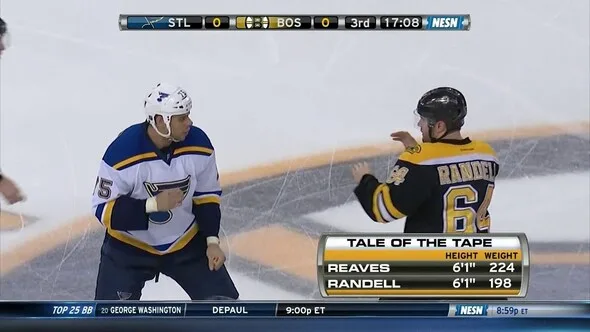
Photo: NECN
As I write this, the tattered flag in front of my school sits at half-mast because of yet another school shooting. We light candles for victims of mass shootings and watch them burn out on the altar of the second amendment.
We have no right to wring our hands after we’ve used them to build and applaud the violent institutions we celebrate. It’s disingenuous and hypocritical.
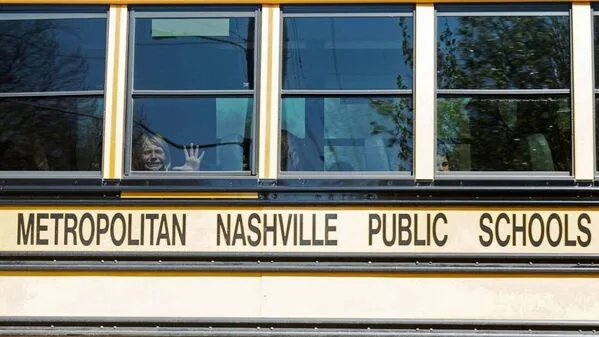
Photo: Nicole Hester/The Tennessean via AP
- Published on

Photo Credit: Disney Co.
My falling dreams happen in the etherous greige between sleep and awake, I slowly roll over from one side to the other to find bed, wall, earth -- I never remember -- replaced by a sudden void reaching past me like a formless, sonic hug.
My falling dreams seem to be disconnected from my flying ones. I never flap, flap, flap, faaaaaallll. But I’ve learned there’s a connection. In those flying dreams excitement and risk hit just hard enough to make life interesting, but not so dangerous that I couldn’t survive their impact. It’s controlled and correlated to my actions: I flap and I fly, but never higher than street lamp height on nondescript streets edged by nondescript houses in a nondescript neighborhood. The low cruising altitude lets me see a manageable amount of the world from a distance that’s just as manageable and safe, albeit just a little bit dangerous.
What’s most frightening about my falling dreams isn’t that I’m falling, it’s that I can’t see what I’m falling into. There are no houses, no grass or asphalt rising up to meet me. It’s just a black flash into nothingness. Like my flying dreams, the action is still precipitated by my movement. I roll over and I fall, until my blinking eyes and fluttering heart beat me awake.
Instead of trying to find out what the dreams say about the dreamer, I’m learning how the dreamer builds the dreams; about how the child I was influences how I fly or fall tonight. As life during COVID edges into a monotony that matches the Monopoly houses in my flying dreams, I understand how my need for safety – now and then – has been shaped by a broken frame.
I was a kid who rebelled to, not against religion. My parents’ materialism and drug use drove me to church. My stepfather’s empty cocaine vials and my Sundays spent at worship became leverage when he would try to ground me for leaving the house with my bed unmade. When as a college freshman I fell out with the church, I didn’t cast myself as an Animal House extra, I got married at 19.
Flap, flap, flap.
Throwing myself into religion when other people my age were throwing footballs and standing up to say “I do” when I should’ve been doing keg-stands didn’t seem like falling at the time. I’ve told myself they were choices meant to give me anchors my childhood didn’t provide, but even that’s not right. I was a kid trying to build an identity out of a void I was afraid to fall into.
I’m starting to get to know my inner child. I’m trying to understand who he is so I can give him the love and guidance he may have lacked and needed that I still need today. I’m going to find out who I was then, before parents and pastors and my own choices as a young adult left him awkwardly hovering over monotonous suburban streets when he should have been dreaming of jetpacks.
- Published on
its rostrum dipped in ink not
mightier than but equal
to college drowning in small pools filled with shimmering fry
searching for open oceans from
which to speak and stand
on ecstasy at Coachella with thirsty holograms swimming
through smoke and sweat like Pac
twelve years dead and gone
and live on stage
waiting for the next universe
- Published on
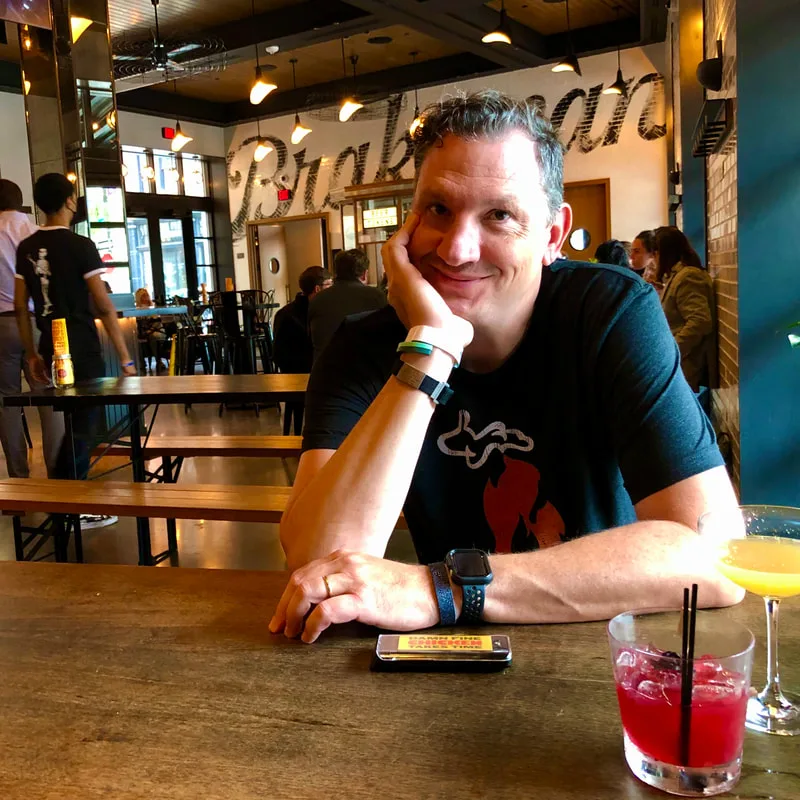
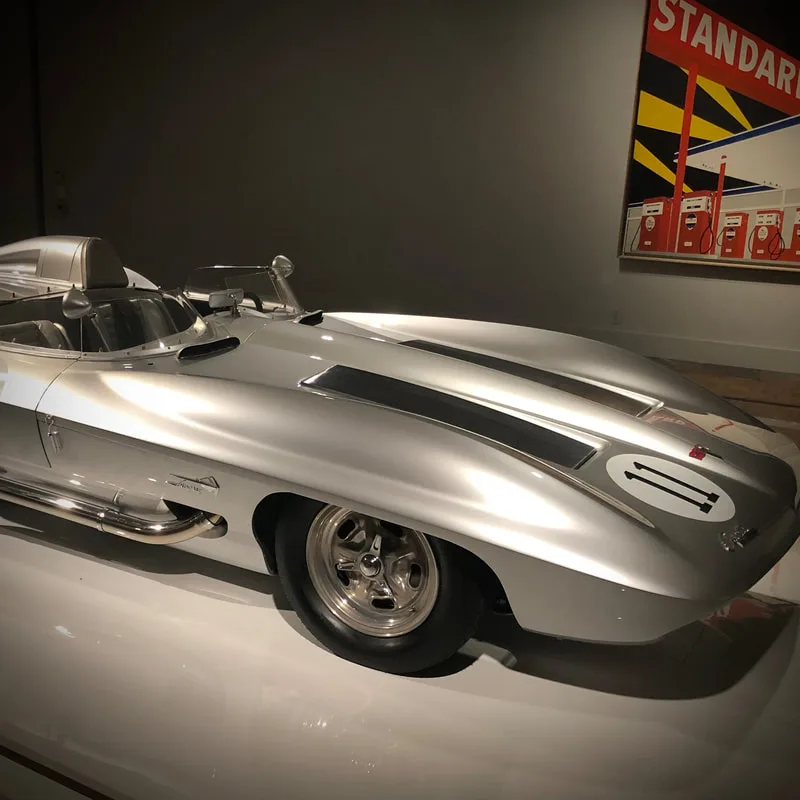
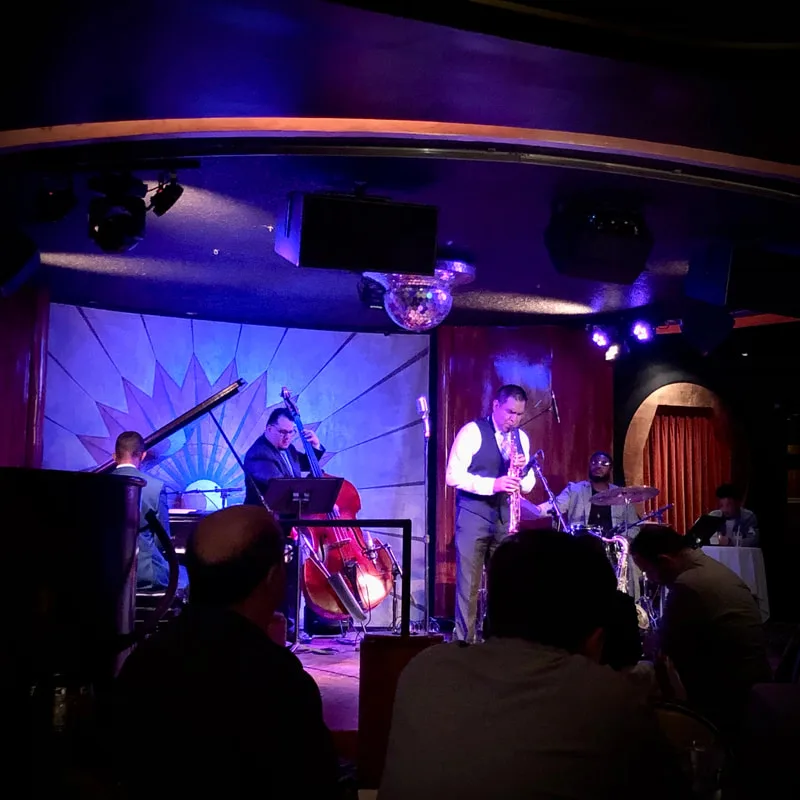
That first night we wound up at a place reminiscent of Hop Lot in Suttons Bay. The Brakeman was an indoor beer garden with foosball, shuffleboard, and beer pong tables that served regional drafts along with cocktails. Hungry people like us could also get delicious chicken and biscuits from its adjoining neighbor, Penny Red’s. The Brakeman sold tokens at a converted ticket booth you would then use to pay for drinks, which was a little strange to me, and the inconvenience of it outweighed any novelty it initially offered. The tired, road-weary me would much rather have dealt with one point of purchase, but just like at Hop Lot, the good food and strong drinks would see me judging less and enjoying more as the evening wore on.
As we waited for our meal, we noticed a smart looking middle-aged couple at a nearby table wearing matching shirts: his reading “I have everything I need” and hers proclaiming “I am everything.” The music was a mix of 80s new wave and soul, but in my head I heard Marvin and Tammi singing “You’re All I Need to Get By” as I settled in next to Cecily. It was another sparkling pinnacle point sharpened by the time we spent without such moments during the pandemic’s peak.
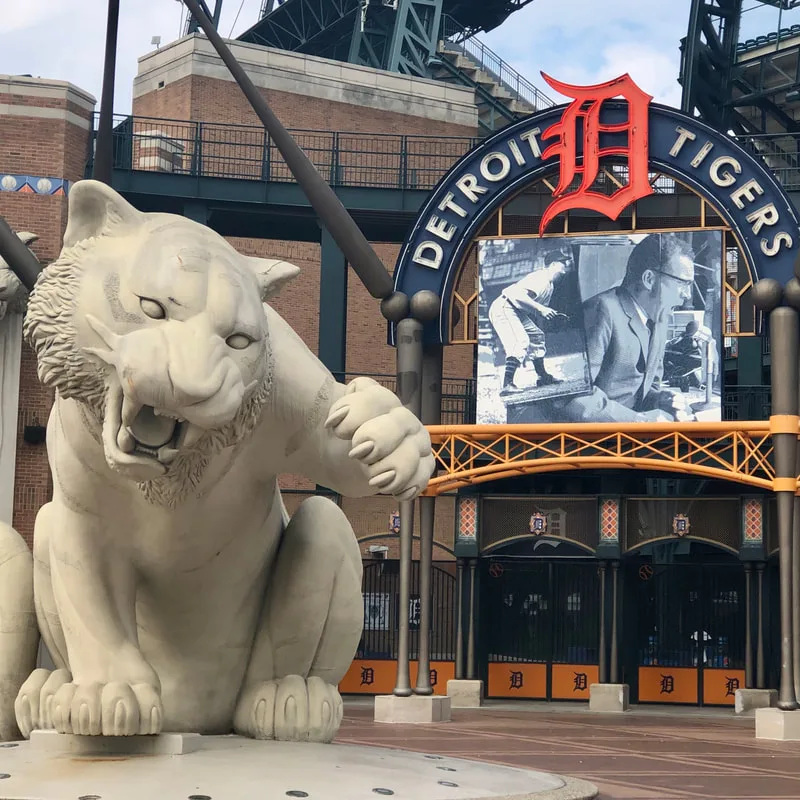
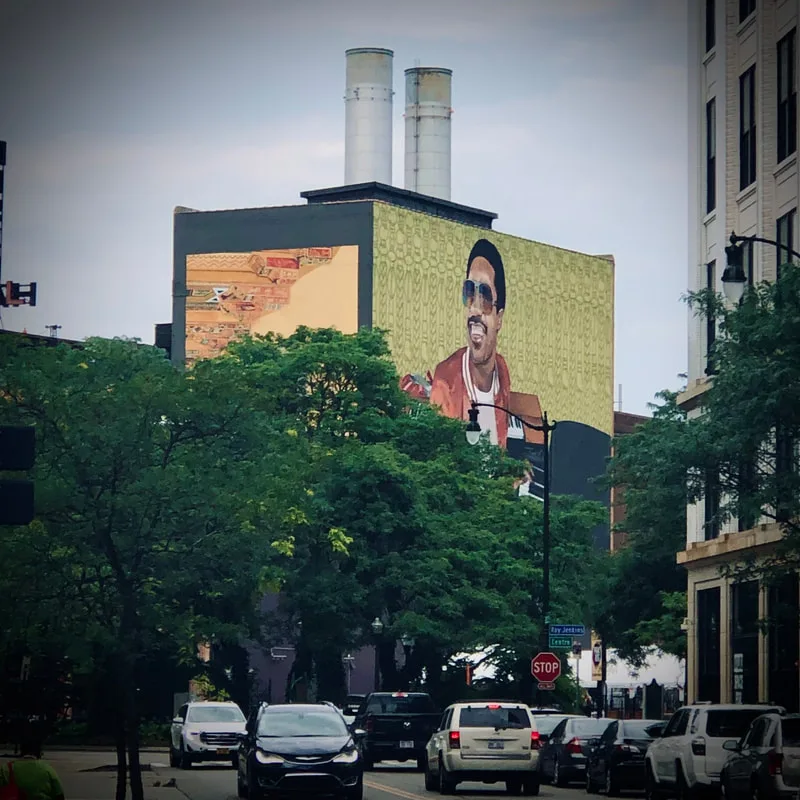
Our hotel was symbolic of Detroit’s desire to invert its story arc. Before it was reborn as the Siren Hotel in 2018, 1509 Broadway was the mighty Wurlitzer Building. The musical instrument, jukebox, and radio manufacturer opened the building in 1926, and would remain its principal occupant for over 40 years. The building’s slow and steady decline at the hands of negligent, often absent owners started in the 70s, and by the time Ash Hotels got involved in 2015 the building was abandoned, falling down, and being gutted for parts. Ash did an amazing job of rescuing and restoring the building, while creating spaces that called people back to the city.

We had a short window at the museum as hours were reduced due to COVID. Cecily was an art history major, and when we go to a museum, we GO to the museum, taking it all in, and there was a lot to see at the DIA. The museum features a broad range of work from highly influential artists, including Rodin, Rembrandt, Belini, Matisse, Van Gogh (including some iconic portraits), Warhol, Monet, Degas, Munch, Kandinsky, Cezanne, and Wiley. It literally has something for everyone. We started our visit by learning about Robert Blackburn and Modern American Printmaking. Blackburn was an artist and teacher whose presence served to bridge the Harlem Renaissance and the Black Arts Movement, and it was fascinating to learn about and celebrate the evolution of the man and his work. We would eventually move through the rest of the building as if on roller skates, making sure to hit the proverbial highlights.
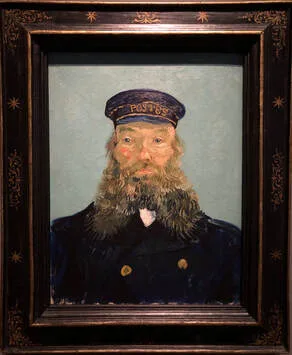
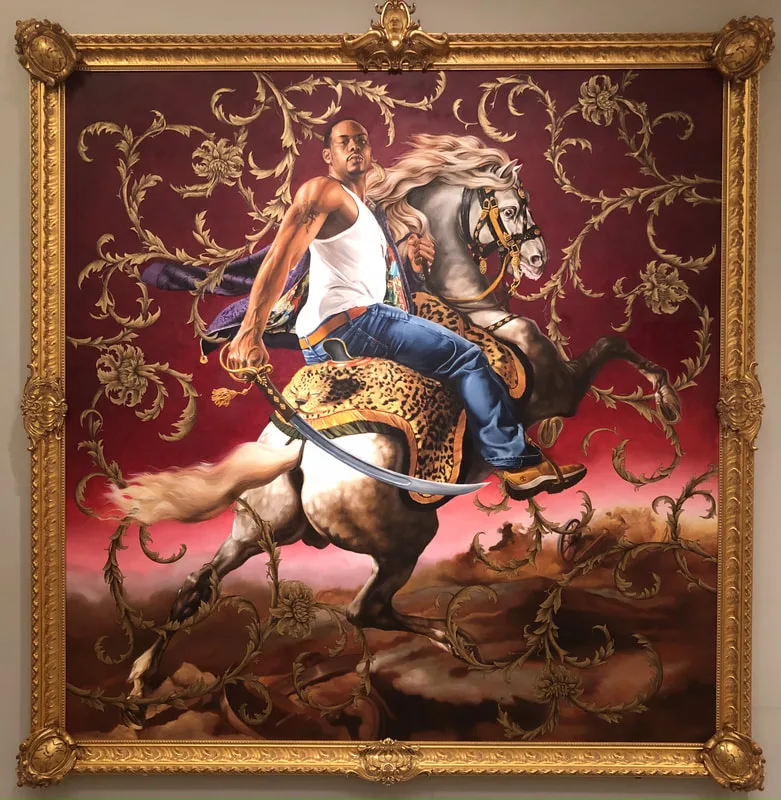
My words or the pictures I took can't do Rivera's work justice, and the following video flattens its grandeur while giving you a sense of what Rivera accomplished. It's included here just to tease you. For a more comprehensive study of the murals, the cosmology Rivera created with them, and the controversy they generated, get your hands on Linda Bank Downs' Diego Rivera: The Detroit Industry Murals . Then go to Detroit, stand in that courtyard, talk to a docent, and breath it all deeply down.

- Published on
This is where the show lives for me, and probably for a lot of people. Though finally copped to in full in “No Weddings and a Funeral” (Episode 10, Season 2), Ted Lasso has always been about parents and children. Initially, what we see regarding parenting in Ted Lasso is just thumbnails, not photographs, done quickly to capture and convey an impression in service of conflict and character development -- like when Ted calls home in the pilot episode. The brief exchange Ted shares with his wife and son lets us know that part of Ted’s journey will involve balancing long-distance fatherhood against an incredibly demanding job he is hilariously unqualified for while trying to save a marriage he doesn’t want to end. The poignancy of this scene is brilliantly soundtracked against “Opus 26” by Dustin O’Halloran, but I might have played Jamie T’s version of The Replacements’ “Bastards of Young.” The opening line -- “God, what a mess…” seems to capture the gravity of the moment and the premise of the show, while also solidly connecting to issues Ted has with his father.
Later we learn that Ted’s tenacious optimism stems from losing his father to depression and suicide. He is determined not to quit -- on his players, his marriage, his friends, or his life. Like Ted, many of the characters can trace their struggles to the universal need to define ourselves against and apart from our parents, or to be the people they hope us to become. Getting star player Jamie Tartt (“doo-dooo-do-do-do-doo”) to play the sort of football that puts the team’s success ahead of his own glory is another arc directly related to fatherhood. Jamie’s father James stands as Dick Dastardly to Ted’s Peter Perfect, and in coaching Jamie to “make the extra pass” Ted is really asking Jamie to disobey his father. Owner Rebecca Whelton’s need to tear down the team her ex-husband loves so much can be seen not only as an attack against his unfaithfulness, but also against her father’s infidelity and her mother’s acceptance of it. Nate Shelley’s rise from bullied kitman to a (somewhat) confident coach only happens when he ditches the humble, unassuming persona crafted by his parents and bluntly calls out Richmond players. He completes his arc towards villainy in this season's finale when he confronts Ted and rejects the Lasso Way. He moves on to Rupert as a role model because for Nate, "the ones who love us least are the ones we die to please." Sam Obisanya puts his role on the team in jeopardy after a text from his father pointing out a sponsor’s role in Nigerian corruption and environmental exploitation inspires Sam to protest. Roy Kent, whose signature lines are “Fuuuuuuck” and a cross between a grunt and a growl, lovingly stands as a surrogate father to his niece Phoebe. He comes to realize that his professional life after football carries little meaning unless he is passing his knowledge of the game on to younger players. It is Roy, Jamie’s foil in season 1, who steps in to comfort Jamie when Tartt’s anger at his father boils over into violence. In all of these examples the show is not just comedically sending up sports culture, but critically inverting the masculine expectations of that culture; and, by extension, fatherhood itself.
It also serves to drive the show’s acclaim and criticism, at least to some extent. "Carol of the Bells," the controversial Christmas episode works because it shows people being buoyed by the loving presence of others -- something we all long for even if we may be too jaded to admit it. Ted’s disconsolation at being away from his son on Christmas is eased by Rebecca as they play Secret Santa for children in need. Roy and Keely help Phoebe in an arc that sees them help her and a bully at school be better. Meanwhile a stream of Richmond players make their way to the Higgins family home. It is the bumbling Leslie Higgins, who is probably less qualified for his role as Director of Football Operations than Ted is as manager, who represents the show’s best father figure. No doubt, even his seemingly well-adjusted children are destined to struggle against their perceptions of their parents’ expectations or shortcomings. It’s the caring community, so sweetly presented to those kids in this episode -- and the hope that comes with it -- that Ted Lasso fans love. In this sense, criticism of the show’s lack of representation is valid. I have faith that Ted Lasso will introduce a character who is a member of the LGBTQIA community, though some suspect they already have (#ColinHughes). When that happens it will be controversial and polarizing, and perfect in its imperfection. It’s a challenge to give ANY sitcom character three-dimensions, and the male sports world is not known to be the most welcoming of places. The basic premise of professional athletics is rooted in the traditional, often toxic norms of fathering and fostering masculinity (to the detriment of female athletes whose growing success challenges those norms). While AFC Richmond is a fictional pro sports team, it is still a product of this reality (which Nate embraces in Vaderesque fashion). It's Ted Lasso's inversion of those ideals that I stay tethered to and want to see in my world. All of us -- even people who don’t like the show -- are Richmond til we die, the sons of no one, and we all want a seat at that surfboard.